Agenda / Table of Contents
- Chapter 1: The Calm Before the Storm – A Grid Set in Mediums
- An analysis of the universal tyre strategy and its implications for the race.
- Chapter 2: The Launch and the Lunge – Deconstructing the Opening Lap
- A look at the race start, key position changes, and the initial establishment of the running order.
- Chapter 3: The Untouchable Dutchman – Verstappen’s Symphony of Speed
- A deep dive into Max Verstappen’s dominant performance, analyzing his pace, consistency, and tyre management.
- Chapter 4: Russell’s Resolute Run – A Lonely Drive to Second
- Examining George Russell’s strong and solitary race, solidifying his position as the ‘best of the rest’.
- Chapter 5: The Crimson Charge – Sainz’s Ascent to the Podium
- A detailed breakdown of Carlos Sainz’s impressive performance, analyzing how the Williams’s straight-line speed translated into race pace.
- Chapter 6: The Battle for the Brink – Hamilton vs. Leclerc in a Duel of Titans
- A comparative analysis of the close fight between Lewis Hamilton and Charles Leclerc, dissecting their lap times and on-track battles.
- Chapter 7: The Midfield Maelstrom – Points, Pride, and Performance
- A look at the intense competition within the midfield, highlighting the performances of Albon, Tsunoda, and Piastri.
- Chapter 8: The Science of Speed – A Deep Dive into True Race Pace
- A granular analysis of the race pace data, visualizing the performance hierarchy and the gaps between the teams.
- Chapter 9: The Final Lap – Conclusions and Grand Prix Predictions
- Summarizing the key takeaways from the Sprint and looking ahead to the strategic implications for the main Grand Prix.
Chapter 1: The Calm Before the Storm – A Grid Set in Mediums
As the five red lights prepared to extinguish, a rare sight of uniformity settled over the grid at the Circuit of the Americas. Every single one of the twenty drivers had their cars shod with the same C3 medium compound tyre. In a sport often defined by audacious strategic gambles and split-second tyre calls, this universal consensus spoke volumes about the nature of the Sprint Race. With no mandatory pit stops and a race distance of just 100km, the risk of starting on the fragile soft compound or the sluggish hard compound far outweighed any potential reward.
The decision to universally adopt the medium tyre effectively turned the Sprint into a pure, unadulterated test of raw performance. Strategy was simplified to its most basic elements: a clean start, effective tyre management over 19 laps, and the inherent pace of the car-driver combination. This created a level playing field where the nuances of chassis balance, power unit delivery, and driver skill would be laid bare. The engineers on the pit wall would have less direct influence, their pre-race setup work now the primary determinant of success. The stage was set for a flat-out sprint where the fastest package would inevitably rise to the top, a prospect that promised a clear and honest assessment of the grid’s true hierarchy.
Chapter 2: The Launch and the Lunge – Deconstructing the Opening Lap
The explosion of noise and energy as the lights went out was a stark contrast to the pre-race strategic calm. Max Verstappen, from pole position, executed a flawless start, converting his prime grid slot into a clean lead into the daunting uphill braking zone of Turn 1. Behind him, the pack jostled for position, a chaotic ballet of precision and aggression. George Russell, starting alongside Verstappen, held his ground to slot into second, fending off the initial challenge from a fast-starting Lando Norris.
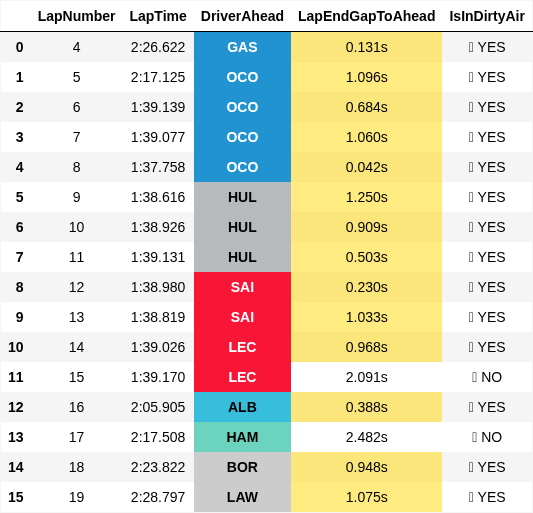
However, the star of the opening lap was undoubtedly Carlos Sainz. Starting from sixth, he leveraged the Williams’s formidable straight-line speed to great effect. He made a decisive move into Turn 1 and continued to press his advantage down the long straight towards Turn 12, slicing his way through the pack and emerging in the podium positions by the end of the first lap. This aggressive but calculated opening salvo was crucial; it allowed him to break free from the turbulent midfield and establish himself in clean air, a position from which he could manage his pace and tyres effectively. Further back, the usual midfield melee saw minor shuffles, but the opening lap was notably clean, a testament to the skill and respect among the drivers.
Chapter 3: The Untouchable Dutchman – Verstappen’s Symphony of Speed
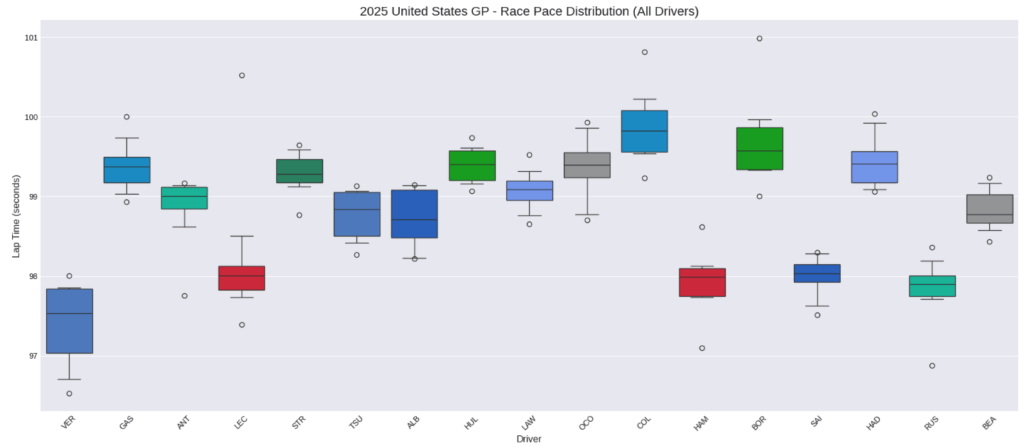
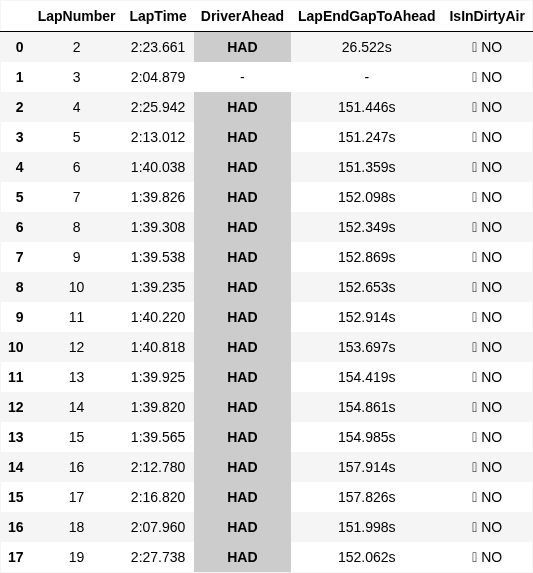
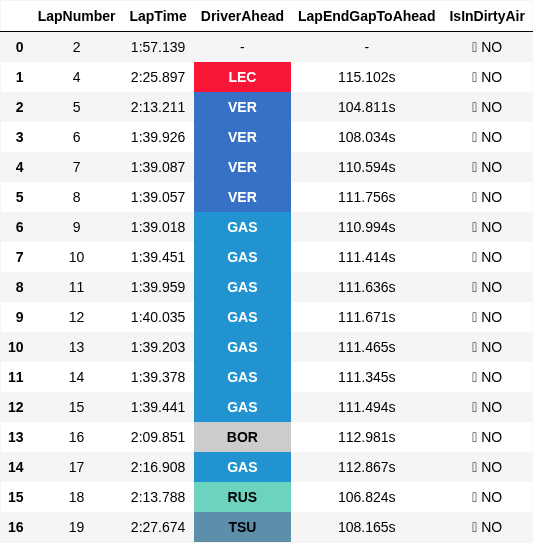
Once the initial flurry of the opening lap subsided, Max Verstappen began to compose his masterpiece. His performance was a symphony of relentless pace and metronomic consistency. With each passing lap, he extended his lead over George Russell, his lap times seemingly impervious to the tyre degradation that would inevitably affect the rest of the field. The data from his “true race pace” analysis paints a picture of utter dominance. His median lap time was significantly faster than anyone else’s, but perhaps more impressively, the variance in his lap times was incredibly small. This is visualized in the boxplot analysis as a tightly compressed box, indicating that lap after lap, he was able to hit his marks with superhuman precision.
Verstappen’s ability to manage the medium tyres while simultaneously extracting maximum performance is the hallmark of a driver at the absolute peak of his powers. He pushed hard in the opening laps to break the one-second DRS (Drag Reduction System) window to Russell, neutralizing any potential threat from behind. Once that was achieved, he settled into a rhythm that was both punishing for his rivals and gentle on his Pirelli rubber. His drive was a masterclass in modern Formula 1 racing – a perfect fusion of raw speed and intelligent management.
Chapter 4: Russell’s Resolute Run – A Lonely Drive to Second
While Verstappen disappeared into a race of his own, George Russell delivered a performance of quiet excellence to secure a comfortable second place. His race was a solitary one, a testament to the performance gap that existed between the front-runners and the chasing pack. He did not have the pace to challenge Verstappen, but he was comfortably clear of the battle for third place.
Russell’s drive was characterized by its maturity and discipline. He quickly realized that a fight with Verstappen was not on the cards and instead focused on managing his own race. He maintained a strong, consistent pace, keeping his tyres in good condition and ensuring that he was never under threat from behind. This intelligent approach to race management is a hallmark of Russell’s driving style, and it paid dividends in the Sprint. His second-place finish was a valuable haul of points for Mercedes and a just reward for a flawless performance.
Chapter 5: The Crimson Charge – Sainz’s Ascent to the Podium
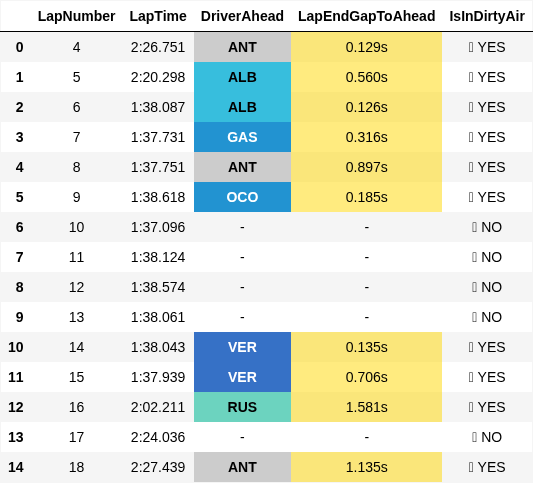
Carlos Sainz’s drive to third place was arguably the performance of the day. Having already demonstrated the Williams’s potent straight-line speed in qualifying, the big question was whether it could be translated into sustainable race pace. Sainz answered that question with a resounding “yes.” After his brilliant opening lap, he found himself in a tense battle with the faster-cornering cars of Mercedes and Ferrari.
The Circuit of the Americas, with its long back straight, proved to be the perfect playground for the Williams. Time and again, Sainz was able to use his straight-line speed advantage to defend his position into Turn 12. Even when Hamilton or Leclerc closed in through the twisty sections of Sector 1 and 3, Sainz knew he had an ace up his sleeve. His defense was robust but fair, and he showcased his racecraft by placing his car perfectly to counter any attack. His podium finish was a triumph for Williams and a clear demonstration that a car with a unique design philosophy can still compete at the sharp end of the grid.
Chapter 6: The Battle for the Brink – Hamilton vs. Leclerc in a Duel of Titans
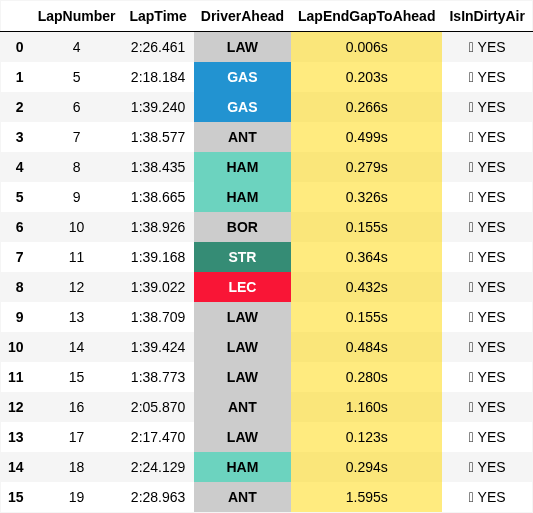
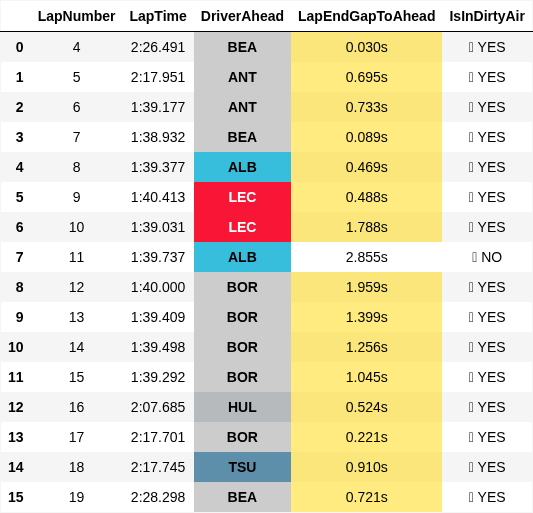
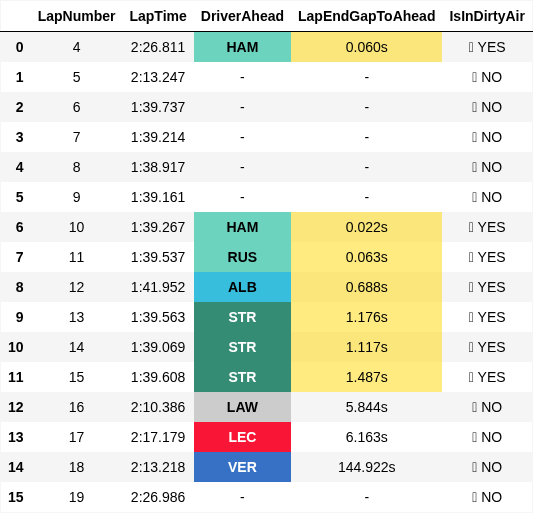
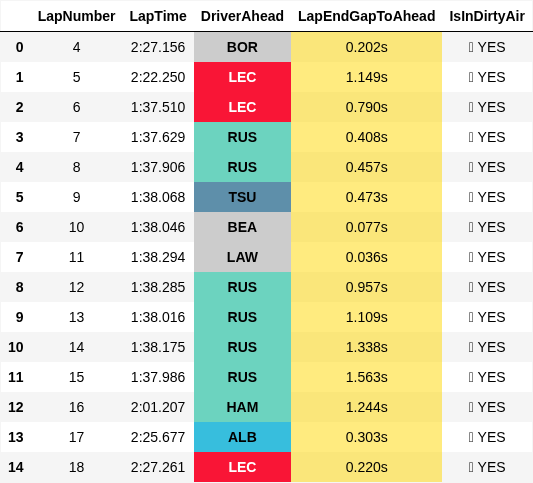
The fight for fourth place between Lewis Hamilton and Charles Leclerc was one of the highlights of the Sprint. The two multiple-race winners were locked in a tense, strategic duel for the entire race. Their lap time progression chart shows just how closely matched they were, with the gap between them rarely extending beyond a few tenths of a second.
Hamilton, in his Mercedes, appeared to have a slight advantage in the corners, particularly in the high-speed Esses of Sector 1. However, Leclerc’s Ferrari was a match for the Mercedes on the straights, and he used his car’s strong traction out of the slow corners to keep the pressure on. The battle was a fascinating game of cat and mouse, with each driver trying to force the other into a mistake. In the end, Hamilton’s experience and relentless pressure paid off, and he was able to secure fourth place. However, the close nature of the battle bodes well for an exciting midfield fight in the main Grand Prix.
Chapter 7: The Midfield Maelstrom – Points, Pride, and Performance
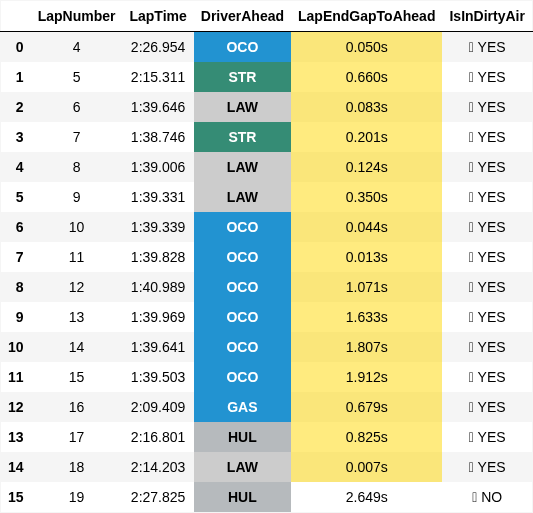
Behind the leading pack, the battle for the final points-paying positions was as intense as ever. Alex Albon, in the other Williams, backed up his teammate’s strong performance with a solid sixth place, further underlining the team’s progress. Yuki Tsunoda, in the Racing Bulls, drove a feisty and determined race to claim seventh, showcasing his ever-improving racecraft. Oscar Piastri, in the second McLaren, had a quieter race than his teammate but still brought home valuable points in eighth.
The midfield is a cauldron of competition, where every position is fought for with tooth and nail. The performances of these drivers are often just as impressive as those of the front-runners, and they provide some of the most exciting racing on the track. The close proximity in pace between the likes of Williams, Racing Bulls, and McLaren promises a thrilling and unpredictable battle for the remainder of the season.
Chapter 8: The Science of Speed – A Deep Dive into True Race Pace
The “true race pace” analysis provides a fascinating insight into the underlying performance of each car. By filtering out the anomalies of the opening lap and any potential safety car periods, we can get a clear picture of who had the fastest car in clean air.
- The Top Tier: The data confirms what we saw on track: Verstappen was in a league of his own. The gap between his median lap time and that of Russell in second was significant, highlighting the Red Bull’s inherent superiority.
- The Second Group: Russell, Sainz, Hamilton, and Leclerc formed a distinct second tier. While Russell had a slight edge, the pace of these four drivers was incredibly close, suggesting that small differences in setup or driver performance could have a big impact on the final result.
- The Best of the Rest: The midfield group, led by Albon and Tsunoda, was another tightly packed bunch. The small gaps between them in the race pace analysis underline the competitive nature of this part of the grid.
This data-driven approach allows us to look beyond the final finishing order and understand the true performance potential of each car. It is a powerful tool for analysis and one that provides a fascinating insight into the technical complexities of Formula 1.
Chapter 9: The Final Lap – Conclusions and Grand Prix Predictions
The 2025 United States Grand Prix Sprint Race was a compelling and informative affair. It confirmed Red Bull’s dominance, showcased Williams’s unique strengths, and highlighted the intense competition throughout the field.
Looking ahead to the main Grand Prix, the key question will be whether the teams stick with the one-stop strategy that is typical for COTA, or whether the high tyre degradation seen in the Sprint will tempt some into a two-stop. The hotter conditions expected on Sunday could play a significant role, and the teams will be poring over the data from the Sprint to inform their strategies.
Verstappen will undoubtedly be the favorite for the victory, but the battle for the podium is wide open. Can Sainz repeat his heroics in the longer race? Will the Mercedes and Ferrari have the pace to challenge him? And can the midfield drivers spring a surprise? The Sprint has given us a tantalizing taste of what’s to come, and the stage is set for a thrilling conclusion to the United States Grand Prix weekend.
コメント